
What Do We Mean by “Serious About Safety”?
Voters want public safety solutions that are effective, accountable, and grounded in evidence—not tougher punishment. These solutions already exist.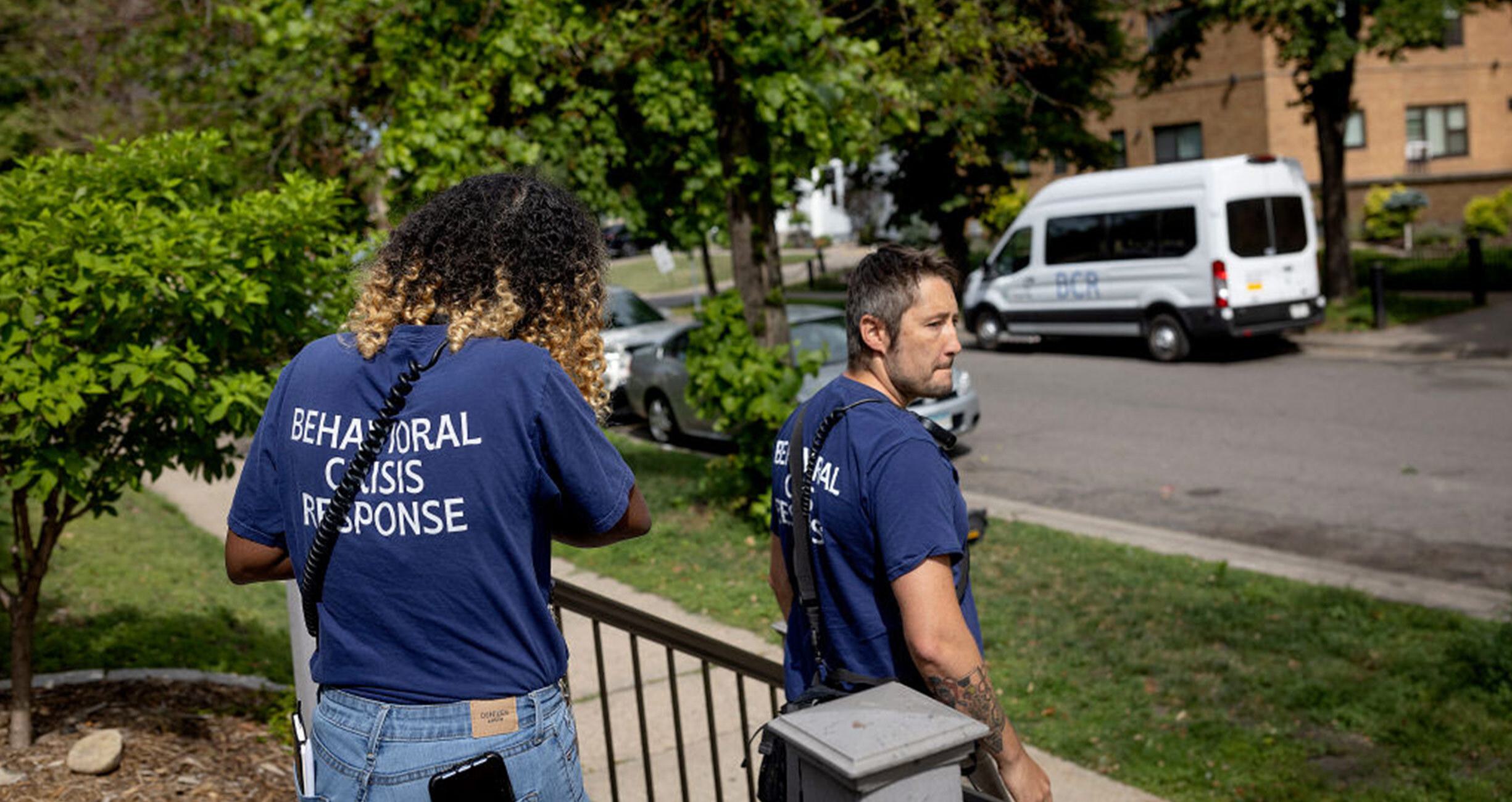
All too often, politicians and pundits assume that people exclusively want policies that are tough on crime. But while crime is an issue of great concern to voters, most don’t actually believe more punishment and “tougher” laws are the ways to address it. A majority of voters in the United States—including independents—prefer leaders who are serious about safety.
What does a “serious about safety” approach look like? It means embracing popular and evidence-supported solutions to the broad range of problems that make communities less safe—like investing in schools, housing, and treatment while holding people accountable by emphasizing remorse, repair, and change over strict punishment. And while some of these solutions will require long-term investments in people and communities, many will have an immediate impact and are already showing promising results where they have been implemented.
People want strong, accountable policing
Police are central to the nation’s public safety infrastructure. But officers are routinely tasked with responding to complex social problems that they are not equipped to tackle. Community trust suffers when police are insufficiently trained or operating without clear standards and transparency. Large majorities of people agree that police both need tools to solve serious crimes and should be held accountable when they abuse their power.
Solutions to achieve this already exist in Congress. The No Secret Police Act and the Federal Police Camera and Accountability Act would introduce real accountability for Department of Homeland Security and other federal law enforcement officers who operate with too little oversight.
Voters support police who put their lives on the line for us every day, but they also want to hold accountable those who abuse their power. They believe that we don’t need police to solve every societal problem. Rather, civilian responders and alternative 911 programs are proving to be effective solutions.
During mental health crises, alternative first-response teams send the right help
Police have become the default first responders for a wide range of social issues, despite being ill-equipped to effectively serve people experiencing behavioral health crises. Too often, mental health crisis calls end in arrests or deaths.
Thankfully, there are alternatives. These calls require clinical expertise, not armed response. Civilian-led crisis response programs connect people experiencing behavioral health crises with trained responders. With its new Mayor’s Office of Community Safety, New York City is about to introduce alternative mental health and crisis response in some areas. There are already many models in the United States with promising results, such as the Metro Ambassador Pilot program in Los Angeles. Mobile crisis teams, accessible outpatient and inpatient care, and crisis care centers allow police to focus on serious crime while saving lives and improving safety for everyone.
Treatment and recovery supports reduce overdose deaths
Being serious about safety also means safeguarding public health. Incredible progress has been made in reducing overdose deaths, with the United States currently experiencing an unprecedented drop in drug-related fatalities. But to maintain that progress, continued investment is needed in the methods that have been proven to reduce deaths, like community-based treatment, recovery programs, and lifesaving tools like naloxone and drug test strips.
By large margins, voters want a public health response to the overdose crisis, not one based on criminalization and punishment. Jurisdictions should invest in community-based services that keep people out of jail and prison, rather than leaning into mass incarceration, which has only made the overdose crisis worse. Laws and policies that advance harm reduction should be strengthened and supported, like the Advancing Lifesaving Efforts with Rapid Test Strips (ALERT) for Communities Act.
Prevention and intervention reduce gun violence
While the country has made tremendous progress on reducing gun violence, any serious public safety agenda must still tackle the issue. One promising solution? Community violence intervention (CVI) programs that work to prevent crime and break its cycle. These programs provide alternative avenues for resolving conflict, have a proven track record of reducing gun violence, and save taxpayers millions. Cities that have invested in these violence intervention strategies have experienced declines in shootings by more than 30 percent.
Under the second Trump administration, federal funding for many of these effective violence prevention programs has been slashed. But preventing gun violence requires a stable federal infrastructure to support local efforts like CVIs, such as the Break the Cycle of Violence Act, which would create a national infrastructure for community-based violence reduction programs. Such evidence-based investments are necessary to protect the gains the country has made in reducing gun violence.
Well-supported communities are safer communities
“Safety” can’t just be measured in violent crime statistics. It also means safe streets, stable housing, and vibrant public spaces. Investing in communities and supporting youth employment and mentorship are real solutions that make people safer.
The Trump administration would slash support for the programs that have begun to make a dent in the housing and homelessness crisis. Communities and legislators should invest in proven housing programs that pair stable homes with wraparound services like mental health care, substance use treatment, health care, and job support.
A positive “serious about safety” agenda is a political winner
An effective justice system prioritizes safety, justice, and accountability, not punishment alone. A broad, bipartisan majority of voters support criminal justice reform, including policies like modernizing outdated sentencing laws, making sure public safety and not wealth determines who stays in jail pending trial, reducing penalties for drug offenses, and expanding parole. “Second look” laws, which allow judges to revisit the sentences of people serving long prison terms, have passed in both “red” and “blue” states. The success of these laws should serve as an example to lawmakers that there is political will for thoughtful criminal justice reform.
Contrary to the conventional wisdom, people in the United States believe safety doesn’t just mean getting “tough.” On issues from overdose prevention to violence intervention, mental health crisis response to sentencing reform, there are countless local successes in criminal justice and community safety to build on, and they show that being serious about safety is both effective and popular.