
Who Gets a Seat at the Table?
Two incarcerated interns reflect on finding purpose, professionalism, and possibility through Vera.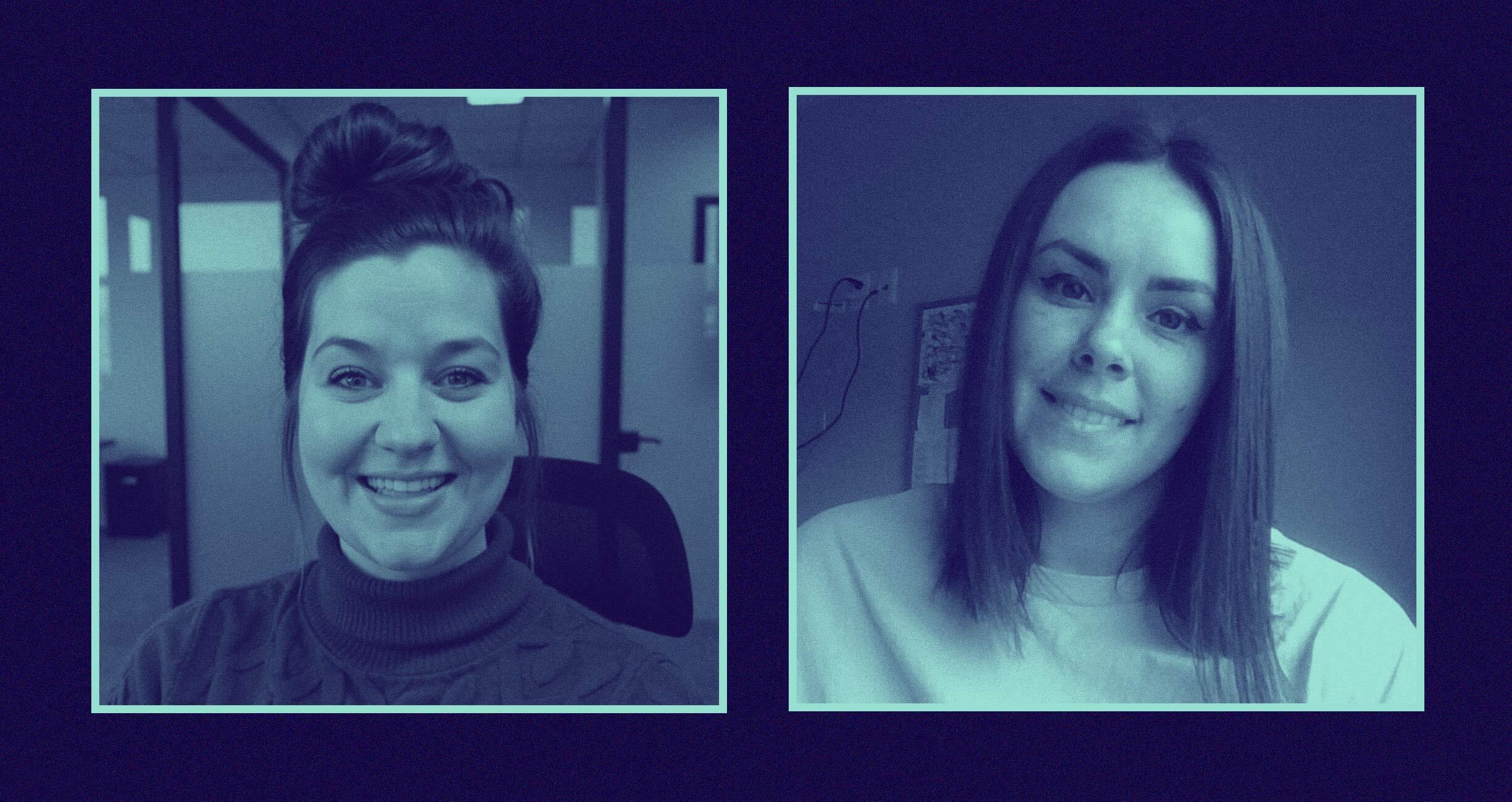
Interning while incarcerated is an experience few people have the opportunity to talk about. This summer, we joined the Vera Institute of Justice (Vera) as incarcerated interns, contributing to individual projects while navigating the realities of prison life. Although we shared the same goal of gaining experience in the social justice work environment, our internships were uniquely our own. We wanted to reflect on this opportunity together through a conversation about growth, challenges, and what it means to be trusted as professionals while still incarcerated.
What did this experience mean to you personally?
Ashley: When we picture professional growth, we usually envision stepping into an office, meeting colleagues face-to-face, and discovering what is possible. But when that opportunity begins behind prison walls, the experience carries a much deeper, quieter weight. Before starting this internship with Vera’s Restoring Promise initiative, a persistent shadow of self-doubt made me question whether I truly belonged in this kind of role, even though I had spent years earning specialized credentials and training for a moment like this. Correctional environments have a way of convincing you that your potential ends when you are processed into the prison system. Yet from day one, simply being addressed by my first name again restored a sense of dignity that had been missing for almost four years.
Krystal: There is something truly healing about being seen as a professional before being seen as an incarcerated person. For so long, my identity was reduced to an inmate number, a conviction, or a place of confinement.
Through this opportunity to intern with Vera, I have experienced what it feels like to be invited into conversations because my ideas matter, to contribute to projects because my perspective has value, and to be trusted with meaningful work because someone believes in my abilities. Those moments have slowly rebuilt parts of me that I thought had been left behind the day I entered prison.
How has this internship changed the way you see yourself?
Ashley: Having maintained a demanding work ethic prior to my incarceration, returning to meaningful, high-level responsibilities has felt deeply restorative. It has reignited my confidence, sharpened my skills, and proved that my capacity to learn and contribute remains completely intact. Still, the transition at the end of each shift is jarring. Closing my laptop means stepping directly out of a thoughtful, collaborative space and back into a world dominated by facility routines and small daily frustrations that feel entirely detached from the bigger picture.
Krystal: I experienced a daily reminder that my incarceration does not define my potential. Being trusted with meaningful work has shown me that my perspective has value and that my experiences can shape conversations. For so long, I questioned whether I would ever be seen as more than simply my conviction, but this opportunity allowed me to be recognized for my abilities rather than my circumstances. It gave me the confidence to imagine a future where my lived experience is not something I have to overcome, but something that strengthens the work I do.
What challenges did you face while interning from prison?
Ashley: Operating from the inside also means navigating constant physical boundaries. Lacking the ability to attend site visits or experience a traditional office environment creates a real gap in professional development. Major team moments, such as Vera’s organization-wide retreat, happen without our physical presence, quietly highlighting the distance between remote work and full in-person inclusion. Yet, pushing through these obstacles builds an irreplaceable kind of resilience, proving that meaningful contributions can happen even within strict limitations.
Krystal: One of the greatest challenges wasn't the work itself. It was navigating two completely different worlds at the same time. During the day, I was collaborating with colleagues, contributing to projects, and being trusted as a professional. Yet, public bus schedules determined when I could arrive at work, institutional counts and appointments sometimes prevented me from working altogether, and once I returned to the facility, my access to the internet ended. Some correctional staff didn’t understand the purpose of my internship or the responsibilities I carried, making it difficult to explain why this opportunity mattered. Balancing those competing realities required flexibility, patience, and persistence, but it also strengthened my ability to adapt and remain committed to the work, even when circumstances were beyond my control.
What would you tell other incarcerated interns?
Ashley: To the next intern preparing to step into this role, my advice is to trust your capacity to adapt. You don’t need to possess total confidence on your first day; confidence is something you build task by task, week by week. Be patient with the technical and institutional friction, stay curious, and never let the environment around you make you forget the real value of your perspective. By taking this step, you are not only shaping your own future: you are helping carve out a path for everyone who follows.
Krystal: To any individual who might pursue an opportunity like this while incarcerated, my advice would be simple: believe that you belong in the room. Do not allow your circumstances to convince you that you are less capable or less deserving of professional opportunities. Be willing to learn, ask questions, and embrace the discomfort that comes with growth. If you can allow yourself to build a professional confidence that extends beyond this internship, you may just allow yourself to imagine a future where your past informs your work without defining your worth.
Krystal Lowe is an editorial intern at the Vera Institute of Justice and an intern with the American Institutes for Research through the Alliance for Higher Education in Prison. She has been featured by the Marshall Project, WIBW, and KDOC. She is pursuing a BSW at Washburn University while currently incarcerated in the Kansas Department of Corrections. Krystal writes about incarceration, drawing on both her lived experience and her hope-centered perspective.
Ashley Mackie is an intern at the Vera Institute of Justice for the Restoring Promise initiative and an Opportunity Scholar through the Center for Effective Public Policy. Currently incarcerated in the Maine Department of Corrections, she is pursuing a bachelor’s degree in interdisciplinary studies with a concentration in public policy, advocacy, and social justice at the University of Maine at Augusta. She is an MHRT/C, a certified App Development with Swift Associate, and a paralegal, and works to build pathways from higher education to meaningful remote employment for incarcerated people.
Vera believes in using our platforms to elevate diverse voices and opinions, including those of people currently and formerly incarcerated. Other than Vera employees, contributors speak for themselves. Vera has not independently verified the statements made in this post.