
Just Because I’m Incarcerated Doesn’t Mean I’m a Bad Mother
Even while incarcerated, the author describes how she continues to mother her son—and why systems that support connection matter.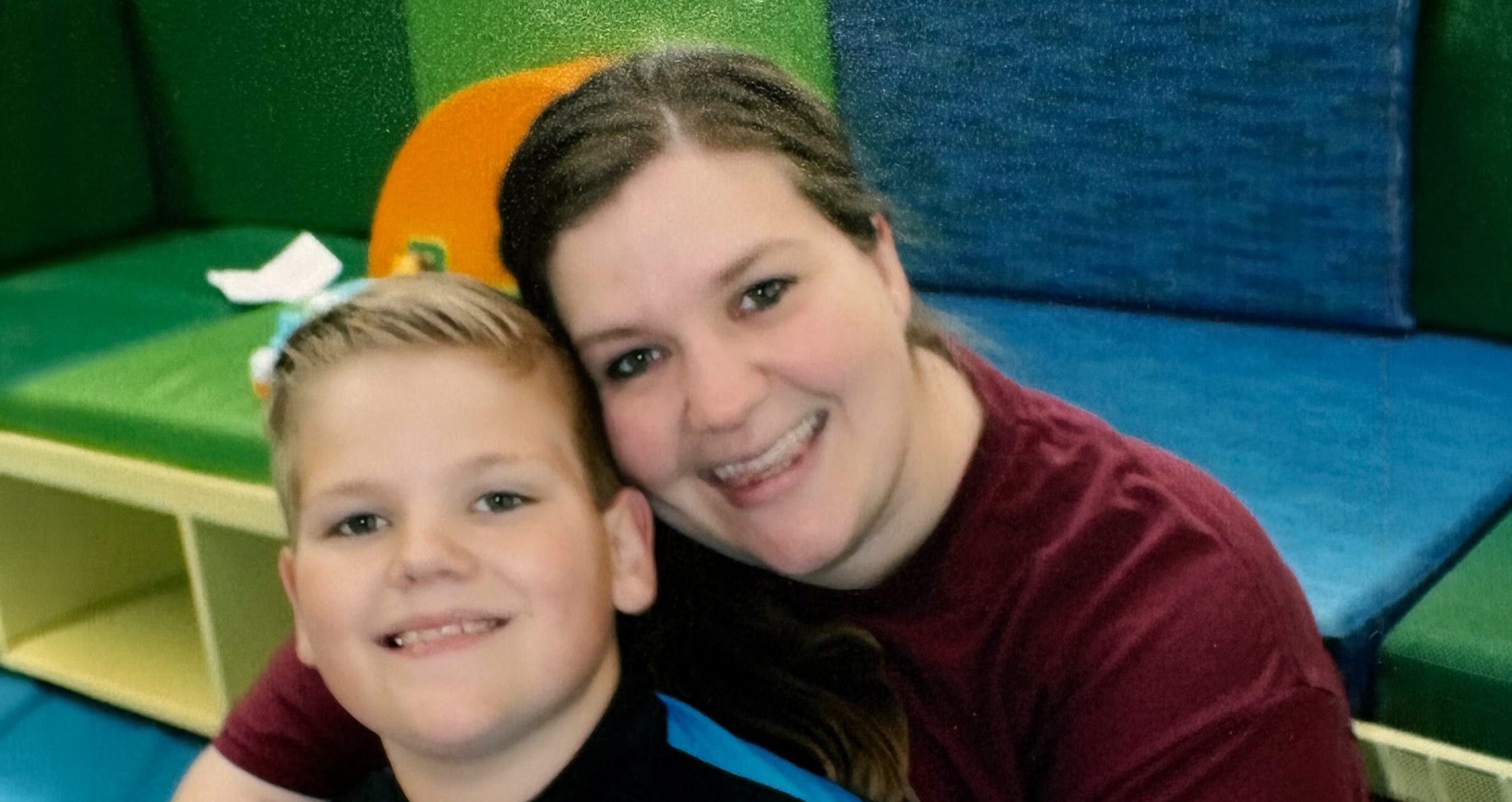
Thirty-two days. That’s the amount of time I went without hearing my son's voice when he entered the Kansas foster care system and I entered the Kansas Department of Corrections. While holding all the fears and uncertainty surrounding my own life, I realized my son was experiencing life without me. I didn't know where my son was sleeping, who was caring for him, or whether he understood what was happening.
For 32 days, I lived with questions I couldn’t answer.
Was he scared? He loves building things out of random stuff and duct tape. Were they giving him enough tape? Did he know that I would never stop being his mother and that I wished every second of all those days that I could fix it?
This was the hardest chapter of my life, not because I felt like less of a mother, but because I had no way to be by his side when he needed me. This soul-crushing experience taught me one of the most important lessons I would ever have to learn: incarceration separates families, but it doesn’t erase motherhood. Yet too often, society treats incarceration as proof of bad parenting. Thankfully, my experience tells a different story.
In January 2023, I was arrested and sentenced to serve 54 months in prison. Like many women in prison, I carry a complicated story: I struggled with opioid addiction before my conviction. I was labeled an “addict” by the system, but I will always be “mommy” to my son.
Many people assume that prison puts motherhood on pause because we can’t care for our children’s daily needs. But motherhood did not stop when I entered prison; it simply changed. I couldn’t tuck my child into bed at night, or attend his school events, or comfort him when he scraped his knee while learning to roller-skate. I spent all my hours worrying about whether my child felt safe while being unable to physically protect him. I was always celebrating his accomplishments from a distance. Incarcerated mothers carry around the weight of missing milestones like birthdays and Christmases while trying to make sure our babies still feel our love through the distance.
Too often, conversations about incarcerated parents focus on what they’ve done wrong in their lives. While accountability is important for an incarcerated person, alone it doesn’t have the power to heal our families. People also need opportunities, support, and reasons to believe that a better future is possible.
For me, one of those opportunities came through the Women’s Activity Learning Center (WALC) program at Topeka Correctional Facility. There, I learned to parent through phone calls, video visits, and letters. Through the WALC program, I have been able to participate in full-day visits at museums, music programs, reading sessions, and so much more. I’ve received personal support navigating the foster care system and creating meaningful memories with my son while he remained in foster care. For the last two years, I have spoken with my son every week through Zoom calls. These conversations matter more than I can adequately explain. The 11-inch iPad screen is where my son expects to see my face, without a doubt, every week. Where I’ve shown him consistency and stability, and where we have experienced emotional healing with case workers and counselors present.
Without this program working for me, I wouldn’t have the ability to stay connected to my boy’s daily life. Most importantly, the separation caused by my incarceration has reminded me every day that I am still a capable mother. Programs like WALC give incarcerated mothers a chance to preserve family connections that might otherwise be lost or overlooked.
About a year into working my son’s foster care case while still in prison, my family began working toward a reintegration plan that would place my son with his grandmother for the remainder of my sentence. We followed the agonizing checklist requirements. We attended all the meetings. We did everything we were asked to do. Yet none of it mattered during the court hearing when the judge announced the plan had changed. After everything we had worked toward, they’re changing the plan now? I wondered whether my son’s future had already been decided without me. My mind immediately went to the worst-case scenario: that someone else would become his permanent family, and I would lose the chance to raise my own son.
Then, for the first time, I understood that all the people responsible for protecting my son saw something more than just my incarceration. They saw me. They saw my progress. They saw my commitment to being a parent regardless of the systemic barriers in my way. They believed in me. They changed my son’s foster care case to one that would lead to reunification with me, while actively being aware of the three years left in front of us before I could physically care for him. The Kansas foster care system typically moves toward long-term guardianship or adoption within 12 to 18 months, so this decision was completely unheard of!
I had been endlessly worried that prison would become the only thing people saw when they looked at me or heard my story. But I quickly learned that there’s a whole world of people willing to see me as a mother who needed time to grow.
I believe wholeheartedly that every parent should be held accountable for their actions.
But accountability and hope must exist at the same time. If we want stronger families and better outcomes for our children, we can’t assume that incarceration automatically makes someone unworthy of being a parent. We have to invest in creating systems that recognize growth, support family connections, and provide opportunities for transformation. As a summer intern with the Vera Institute of Justice, I’ve had the chance to invest in myself while also seeing how systems shape the realities of incarcerated people who are trying to rebuild their lives.
Many of us mothers are working every day to become healthier, safer, and more stable for our children. If you take the time to see that effort—instead of the worst mistake we ever made—it can change the trajectory of an entire family.
I was my child’s mother before prison. I am his mother during prison. And I will be his mother long after my sentence ends.
Krystal Lowe is an editorial intern at the Vera Institute of Justice and an intern with the American Institutes for Research through the Alliance for Higher Education in Prison. She was featured by the Marshall Project for sharing her perspective on maintaining mother–child bonds during incarceration. She is pursuing a BSW at Washburn University while currently incarcerated in the Kansas Department of Corrections. Krystal writes about incarceration, drawing on both her lived experience and her hope-centered perspective.
Vera believes in using our platforms to elevate diverse voices and opinions, including those of people currently and formerly incarcerated. Other than Vera employees, contributors speak for themselves. Vera has not independently verified the statements made in this post.