
Los Angeles County Jails on Track to Set a Tragic New Record
Twenty-six people have died in LA County jails in 2025, the second-most deaths to date of any year on record. 103 have died since the start of 2023.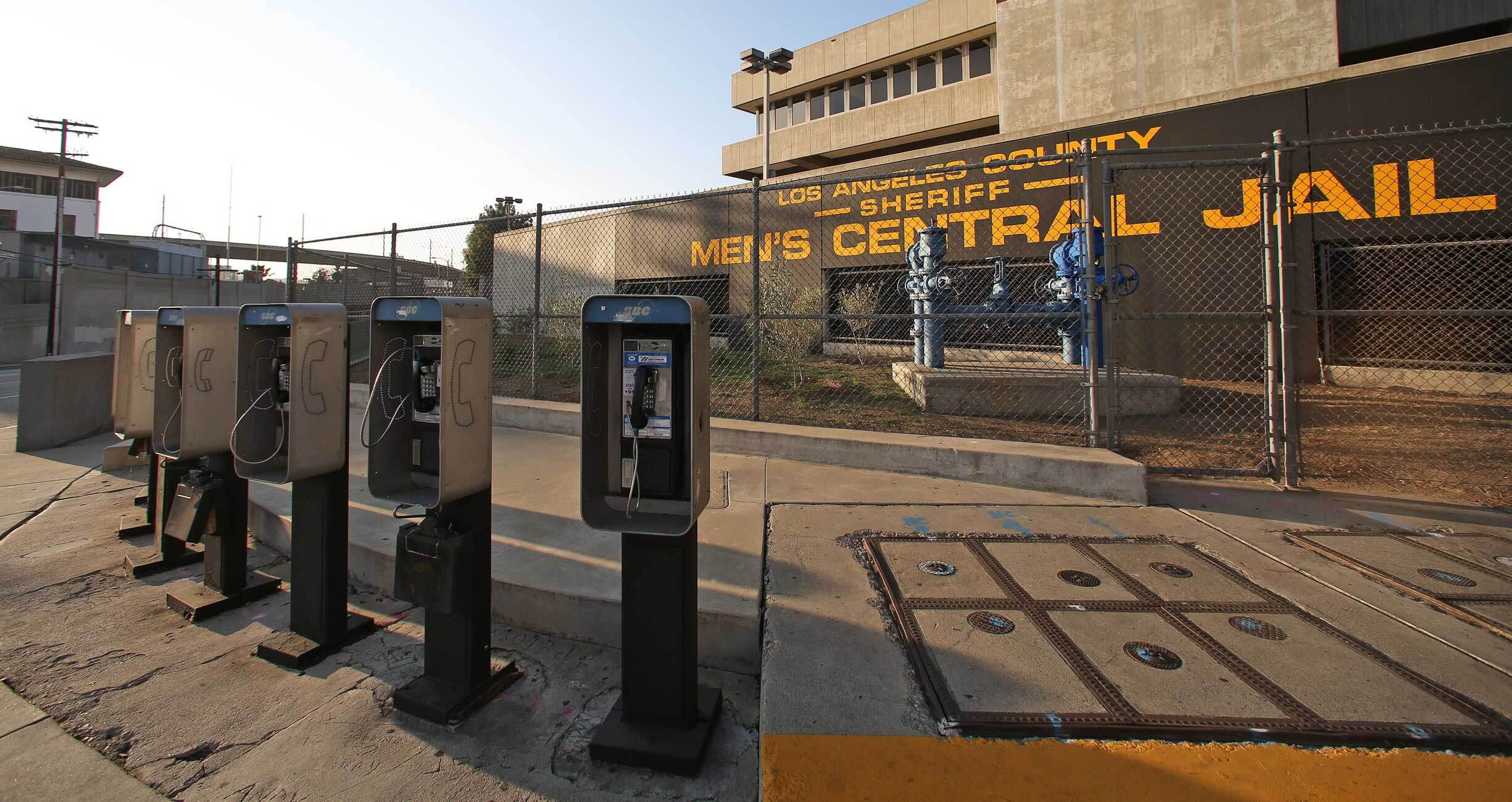
On July 12, the Los Angeles County Sheriff’s Department (LASD) reported that another person had died in its custody. That death was 2025’s 26th county jail death. This year’s staggering tally is already three-fourths of last year’s total of 32, with about half the year still to go.
Since the beginning of 2023, Vera has chronicled the deaths in Los Angeles County jails, compiling demographic information and—when made publicly available, which they have not been for more than 18 months—the names of the deceased. The data is sobering: currently, 103 people have died in county jail custody since the start of 2023, and at several points this year, the rate of deaths has matched or exceeded that of 2021, the deadliest year in the county’s jail system in the past 20 years.
It was back in 2021, too, that the Los Angeles County Board of Supervisors (LACBOS) voted to close the city’s deadliest facility, Men’s Central Jail (MCJ), with the aim to place many of the people detained there in community treatment programs. In fact, almost one-fifth of the people who’ve died in custody this year were detained at MCJ. But four years on, progress on closing MCJ remains at a standstill. There is also the possibility that LACBOS could backtrack from its initial pledge; at a board meeting in August 2024, some supervisors inaccurately argued that the original plan to rely on diversion and other alternatives to incarceration was no longer viable for 75 percent of the population because of the nature of their charges.
“Overcrowding and staff prone to both negligence and flagrant mistreatment towards incarcerated people have continued to make MCJ, and the county jail system at large, a dangerous, even fatal, place to be,” said Michelle Parris, director of the Vera California initiative. “This current inertia—stalling on closing MCJ, dismissing alternatives to incarceration, and failing to make real strides toward solving the issues that drive incarceration, like homelessness and substance use—cannot continue.”
LACBOS’s debate—and inaction—drags on. And all the while, people behind bars at MCJ and elsewhere continue to die.
What do we know about the people who have died this year?
Los Angeles County does not provide the names of the people who have died in its custody. In November 2023, after successfully filing a Freedom of Information Act request, journalist Keri Blakinger was able to secure a list of names to date that year from sheriff’s department records. The 63 people who have died since then have not been publicly identified.
There is some information to be gleaned about who has died so far this year from what LA County does disclose. More than half of the people who died had yet to be sentenced. Many were startlingly young, with 23 percent under 35 years old. Aligned with recent Vera research showing that older people’s incarceration rates are rising, over a quarter of people who died in LA County jails were older than 55 years old, with the oldest person being 73 years old. The county reported that six of the deaths were “accidental” and four were by suicide; eight still await a final autopsy report.
How might jail deaths relate to policy?
Los Angeles County’s new jail deaths record comes shortly after California voters passed Proposition 36 in November 2024, extending harsh “three-strikes”-style sentencing to low-level nonviolent drug and theft offenses. By May 2025, 529 people were being detained on Prop 36–related charges, up from 12 people in December 2024—a 4,308 percent increase.
Prop 36 was, in part, a rollback of Proposition 47, the 2014 initiative that sought to alleviate the severe overcrowding in California’s correctional facilities by reclassifying some nonviolent offenses as misdemeanors. Prop 47 succeeded in its aims: it reduced prison populations, recidivism, and racial disparities in criminal legal outcomes—without increasing violent crime or burglaries. Yet Prop 36 was pitched to Californians as a necessary bulwark against “homelessness, drug addiction, and theft”—even though it does not directly address homelessness and employs punishments for substance use and theft that research has shown to be ineffective.
By rejecting effective alternatives to incarceration and choosing to pack even more people into decrepit and understaffed facilities, Los Angeles County is creating conditions in which the number of jail deaths may only continue to grow.