
Yes, We Can Close Rikers Island for Good
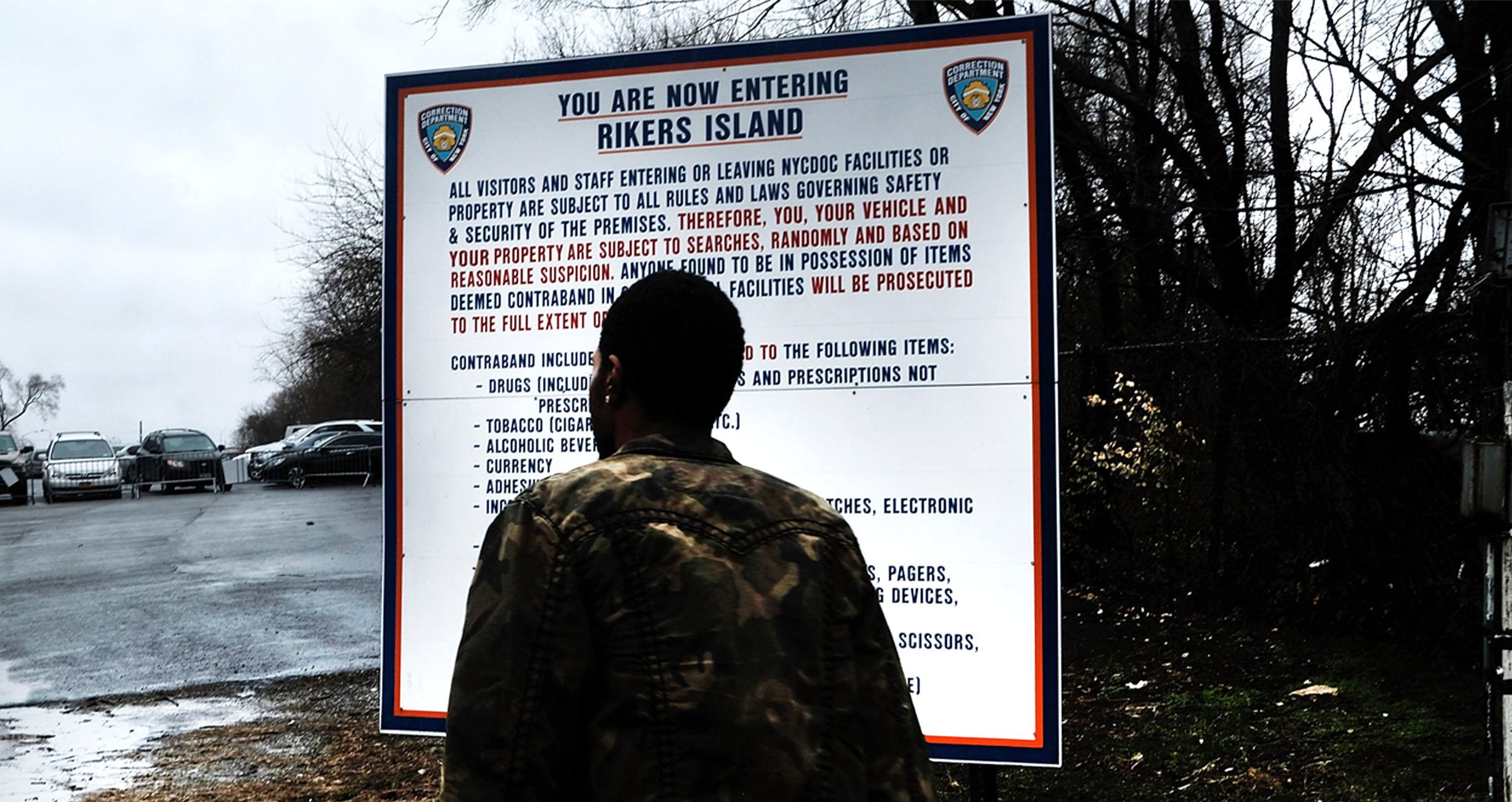
Closing Rikers Island, the notorious jail complex in New York City known for its squalid and inhumane conditions, is certainly an ambitious commitment. It was ambitious when a blue ribbon commission, led by Judge Jonathan Lippman, issued a report in 2017 finding that there was no humane option other than to shutter the jails on the Island and build new borough jails. It was ambitious when the New York City Council voted to shut it down once and for all in 2019. The goal to close Rikers remains an ambitious plan, especially after years of delay under the Eric Adams administration.
But today, as we await the Zohran Mamdani administration’s major announcement of its plan to close Rikers Island, this goal has never been more within reach. To give up now would be a generational failure for New York City and a missed opportunity to create a jail system that lives up to our values and ideals.
Now is the time to dig in, to double down, and to make good on a promise years in the making.
The fundamental, unchangeable problem with Rikers Island is the land itself. The only way to reach Rikers Island is by a bridge that is difficult to get to via public transit and inconvenient even by car. The jail complex is built on a decomposing landfill, and the current jails are decrepit and well past their expiration date. Building on the land would cost up to 15 percent more than the current borough-based plan. Even if new facilities were built on Rikers Island, or the current ones were refurbished, every day thousands of New Yorkers would remain incarcerated in isolation, far from family, services, and the courts. The programming and services that are necessary for people’s well-being and safety behind bars, including medical care and counseling, are harder to provide. Every day, hundreds of people incarcerated at Rikers Island are put on buses as early as 4:00 a.m. to go to court miles away in Brooklyn, the Bronx, Manhattan, Queens, and Staten Island.
There is no redeeming Rikers.
Since taking office, Mayor Mamdani has shown that his administration is prepared to make the closure of Rikers a priority. At the end of June, the city permanently closed a facility on Rikers Island, transferring it from the Department of Correction to the Department of Citywide Administrative Services (DCAS). Two other facilities have also largely been transferred to DCAS and no longer hold people in custody. And a few months before that, in April, the administration opened the long-delayed Bellevue Outposted Therapeutic Housing Unit, a secure ward within Bellevue Hospital for incarcerated people to easily access needed medical care. In addition, in the city’s November budget plan, the Mamdani administration increased funding for jail programming by $43 million per year starting next year, alongside more than $37 million in additional funding this year alone for programs that enhance alternatives to incarceration, strengthen reentry outcomes, and provide more transitional housing to ensure that once people leave Rikers Island, they find the community stability they need to stay out of jail in the future. And with a team including Department of Correction Commissioner Stanley Richards, Criminal Justice Coordinator Justine Olderman, and Close Rikers Czar Dana Kaplan—in addition to the Remediation Manager Nicholas Deml, whose remit by federal court order is to bring down the violence plaguing Rikers Island—the municipal leadership is in place to make rapid progress not just on closure, but also on improving conditions at Rikers before it is shuttered.
The Adams administration was never on board with closing Rikers Island, and it repeatedly and publicly called into question the plan. Mayor Bill de Blasio’s skepticism about closing Rikers Island was no secret, even though his administration set in motion the progress we see today. Closing Rikers Island will take a full-throated commitment from any mayoral administration—and we have this in place today. Mamdani has made more progress toward closing Rikers in nine months than Eric Adams did in his entire four-year term.
One of the arguments against the feasibility of closing Rikers is the need to reduce the jail population from 6,600 today to 4,500. How do we know it’s possible to safely reduce the jail population to 4,500? It happened already: in March 2020, city and state actors worked together to focus on safe decarceration, and the jail population plummeted to just 3,800 people. While we no longer have the systemwide urgency that was present during the height of the COVID-19 pandemic, credible research estimates that the jail population in New York City could safely drop to as low as 2,200—and that was before the city established the Office of Community Safety, which is only one of the many strategies currently underway to achieve a right-sized number of people in NYC jails. A population of 4,500 is eminently possible.
With the right investments, coordination, and political will, New York City can shrink the jail population once again.
- First, focus on case processing. More than 85 percent of people on Rikers are presumed innocent and awaiting their day in court. By working with the courts to speed up court hearings, case status conferences, and firm trial dates, the Independent Rikers Commission estimates that faster case processing would reduce the jail population by a minimum of 1,200 people. That would lower the jail population from its current level of roughly 6,650 to 5,450 people.
- Second, move people with mental health needs out of jail and into treatment. As of October, more than 1,500 people on Rikers had been diagnosed with a serious mental illness. Moving even half of these people into treatment facilities—which would require investment at both the city and state levels—would further shrink the jail population to approximately 4,700.
- Third, release people under the Article 6A Work Release Program. The Board of Correction has issued recommendations for expanding the use of Article 6A, which gives the Department of Correction commissioner the authority to release someone to serve the remainder of their city sentence (one year or less) in the community rather than in jail. Currently, there are more than 500 people serving city sentences on Rikers. Releasing half of them with strong support from community-based reentry services would safely lower the jail population to less than 4,500—or small enough to fit in New York City’s planned borough-based jail system.
In addition, Mayor Mamdani’s investments in community safety will drive down crime, reduce the number of people admitted to jail in the first place, and shorten their length of stay. For example, supportive housing has been shown to reduce the amount of time someone spends in jail; in one New York City pilot, providing people with supportive housing reduced the time they spent in jail by 40 percent. Similarly, increasing access to mental health care can reduce costs related to crime and incarceration: by one estimate, every dollar spent on Medicaid yields $2 in benefits.
While these decarceration efforts are underway, the federally appointed remediation manager is focusing on improving access to violence-reducing programming, making necessary building repairs, and conducting a staffing analysis to support better conditions for people incarcerated at Rikers as well as the officers working in the jails.
Most people would agree that if the goal is more humane jail facilities in New York City, new construction must happen. Whether on Rikers Island or in the boroughs, the new facilities must be thoughtfully designed to create humane, dignified conditions for both incarcerated people and those who work there. If billions are to be spent on new construction, it makes far more sense to have the new facilities conveniently located close to transit hubs and courts to enable easy access to family visits, supportive services, legal representation, and courtrooms. Locating the new jails in the boroughs will save the Department of Correction more than $2 billion in annual operating costs by reducing the cost of bringing people to and from court and making it easier for service providers to come in from the community each day. The new jails will also help ease the burden on officers, who face challenging commutes and traumatizing conditions on Rikers Island.
Closing Rikers was never going to be easy. But improving conditions for the people incarcerated and working there today and continuing toward its permanent closure are not competing priorities. New York City can—and must—do both: address the conditions on Rikers now while working toward a future in which no one is incarcerated on the island. We didn’t need a Plan B when Adams first proposed it, and we don’t need one now.