
The Fight for Gender-Affirming Care Behind Bars
As Pride Month highlights the ongoing fight for LGBTQ+ rights, transgender people in prison continue to face denials of medically necessary care despite court orders protecting access.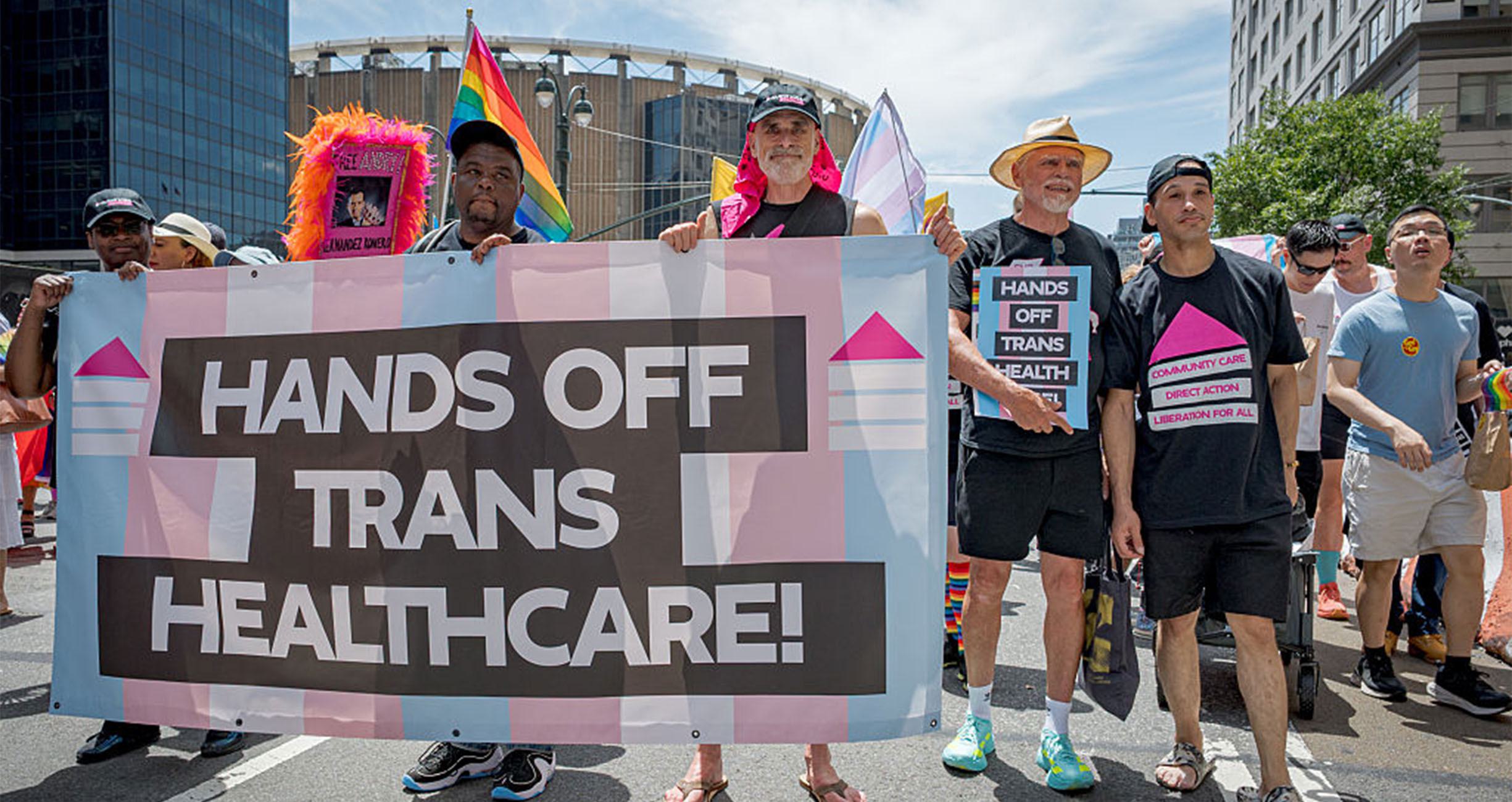
Dee Farmer sees great risk if the federal government succeeds in its efforts to end critical health care for incarcerated people with gender-affirming care needs. “People will die,” Farmer told the Vera Institute of Justice (Vera), she herself a formerly incarcerated transgender woman who has been fighting for the rights of people in prison for decades.
In an extension of relentless attacks on the rights and dignity of transgender people by the Trump administration, the Federal Bureau of Prisons (BOP) issued a new policy in February 2026 that directed federal prisons to stop providing critical gender-affirming care, including hormone therapy. This is in keeping with an executive order President Donald Trump issued in January 2025, targeting transgender people in the federal prison system.
Last June, Senior Judge Royce Lamberth of the U.S. District Court for the District of Columbia issued a preliminary injunction to block the BOP from withholding gender-affirming care while a class action lawsuit—Kingdom v. Trump brought by the ACLU and Transgender Law Center to challenge the executive order—proceeded. And just last week, the judge ordered the BOP for the second time to continue providing hormone medications to transgender people in federal prisons, in response to the BOP’s new policy. Prison officials should heed the judge’s order. The class action lawsuit is still ongoing.
During legal maneuvering over this executive order, incarcerated people have reported that prisons around the country have not complied with last year’s preliminary injunction and are delaying or denying the care that transgender people need, despite the court order. “Denial of treatment . . . has resulted in suicide before,” Farmer told Vera. “People are at risk.”
Farmer is best known for her victory in the landmark 1994 Supreme Court case Farmer v. Brennan, which established that a prison official’s “deliberate indifference” to risk of serious harm to an incarcerated person violates the Eighth Amendment of the United States Constitution’s prohibition against cruel and unusual punishment. Farmer also sued for the right to adequate medical treatment in prison, including hormone therapy.
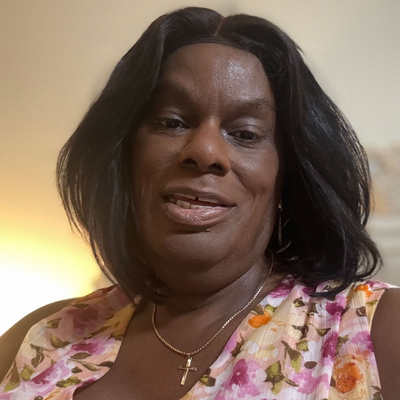
Before Farmer had access to hormones in prison, she took many medications for depression and suicidal ideation. Numerous studies show that hormone therapy is an effective treatment for people with gender-affirming care needs, resulting in increased quality of life, decreased depression, and decreased anxiety. Medical and mental health organizations in the United States endorse the use of hormone therapy for transgender people, and doctors have harshly criticized the BOP’s new policy as politically motivated and dangerous.
To comply with Trump’s executive order, the BOP has instructed prison doctors to taper or rapidly discontinue hormone treatment for incarcerated people who had been receiving it, depending on how long they had been receiving treatment. In an interview with The Advocate, Carl Streed, a leading researcher on transgender health, said that removing needed hormone treatment can negatively impact a person’s cognition, mood, metabolism, and cardiovascular health. “From a medical point of view, this is alarming because it's essentially saying that a form of evidence-based care will no longer be provided to people under the purview of the Bureau of Prisons,” said Streed.
As documents in the class action lawsuit note, removal of her hormone therapy under the BOP’s directive caused plaintiff Alishea Kingdom “anxiety, hopelessness, panic attacks, and suicidal ideation.” In the June 2025 preliminary injunction that temporarily blocked the directive, Senior Judge Lamberth wrote, “Nothing in the thin record before the court suggests that either the BOP or the President consciously took stock of—much less studied—the potentially debilitating effects that the new policies could have on transgender [people].”
Farmer believes that, in the end, the courts will find the ban on hormone treatment unconstitutional. “I am happy that the community came together to oppose it,” she said. “There have been attacks on transgender people without an understanding and recognition of who transgender people are as human beings . . . Transgender people have a right to treatment.”