
Listen to Their Stories: These Crime Survivors Don’t Want More Prison
These crime survivors and the leader of a crime survivors organization highlight the need for sentencing that focuses on healing and change, not just punishment.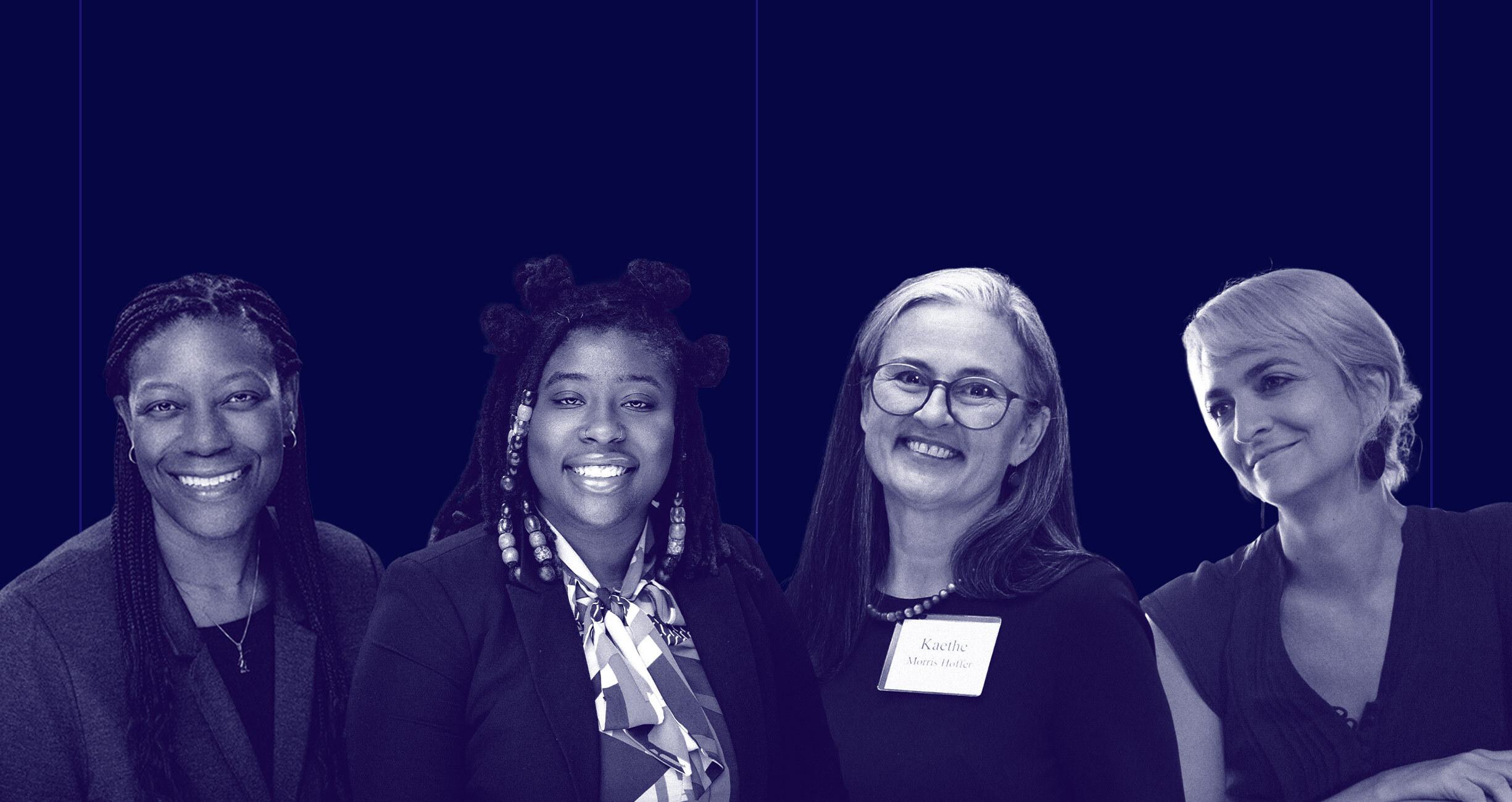
Legislators often invoke crime survivors to justify draconian criminal justice practices, such as lengthy prison sentences. Yet, many people who have experienced harm at the hands of others oppose these harsh practices and support restorative justice and second chances.
Survivors and criminal justice reform advocates Alexia Pitter, Shaneva McReynolds, Melissa Lorraine, and Kaethe Morris Hoffer work to share their perspectives with legislators in their home state of Illinois. They highlight the need for updated sentencing laws and guidelines that reflect the realities of survivors’ experiences and build public safety through healing and change, not punishment alone. Theirs is a vision for justice that centers the well-being of all.
These are their stories.
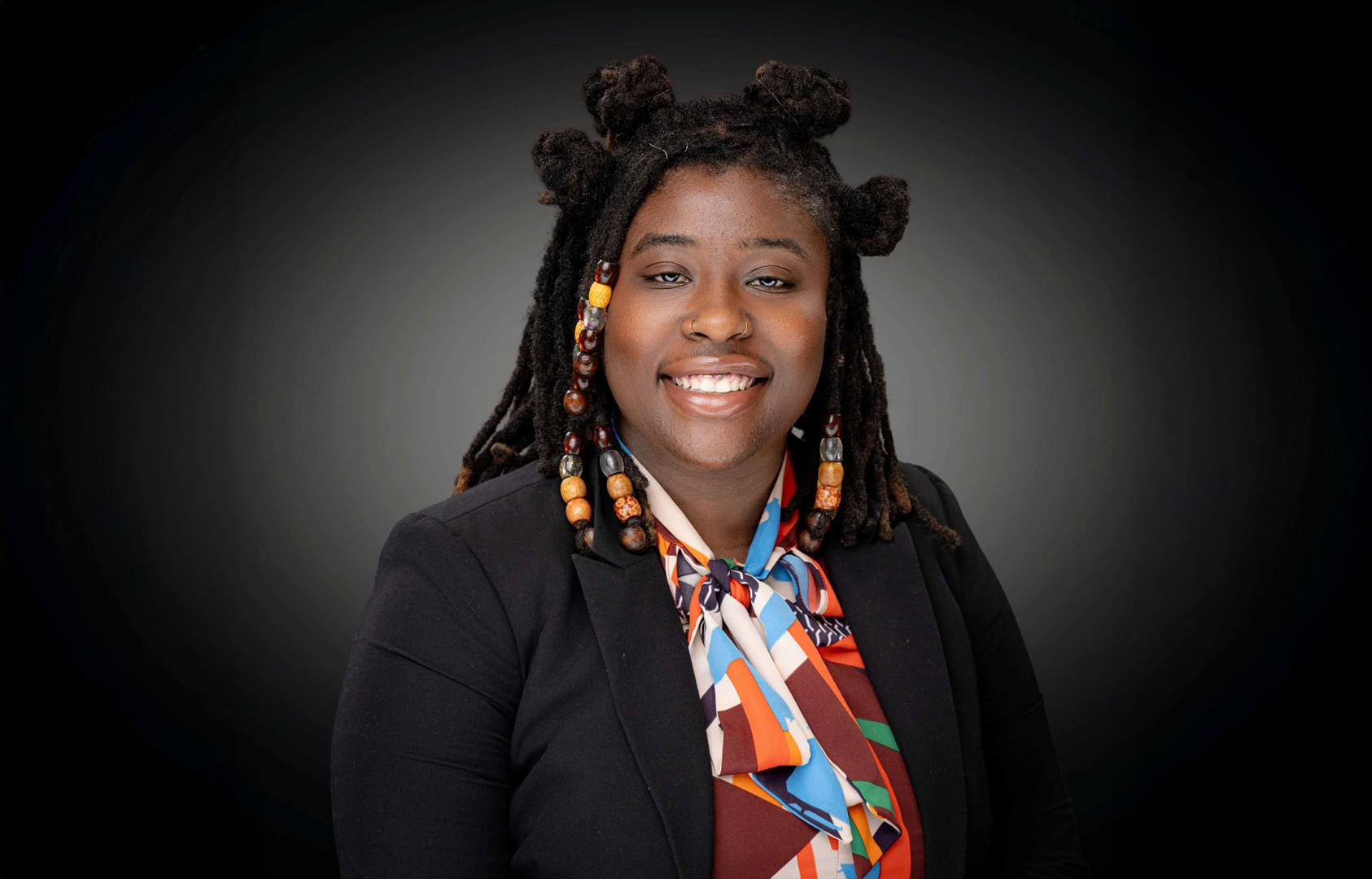
Alexia Pitter
Senior Outreach and Storytelling Coordinator, Families Against Mandatory Minimums (FAMM); Poet; and Clinical Mental Health Graduate Student, Johns Hopkins University
When I was assaulted at school years ago, I chose not to press charges. People sometimes wonder why.
I remember visiting my father in prison when I was eight years old. When I saw him in handcuffs and ankle shackles linked to other people, he looked so small. All I wanted to do was run to hug him and say, “Daddy, I missed you.” A corrections officer rushed in and shouted, “No, no, you can’t hug him. Sit down, or you have to leave.” I remember crying because I couldn’t understand why I couldn’t hug my dad. I have seen the dehumanization that happens in prisons, and I don’t want that to happen to anyone.
After I was assaulted, the police pulled me out of class and led me to their car. “You need to file charges,” they said. I said no. As hurt as I was, as broken and dismembered as I felt, I couldn’t do it. I knew what my dad was living through every single day behind those walls. I knew what disconnection looked like, what it did to the soul. And despite everything, I couldn’t wish that on anyone, not even them.
I didn’t want revenge; I wanted restoration. I wanted them to sit in front of a therapist, not a cell. To face themselves, not the bars. To understand the harm they had caused and still believe they could change. Prison was never the answer. I’d already seen what it does. It doesn’t heal—it hardens.
Since I didn’t press charges after my assault, nothing happened, except that I was the one removed from school. They said, “This school is no longer safe for you; you have to go somewhere else.” There were no alternatives, no options, no care. No one asked, “Would you like counseling? Mediation? Anger management? Or even a conversation about what happened?” Instead of being offered support, I was punished for showing my abusers compassion.
It’s hard to believe we can overlook the many healing practices that could help those who are suffering and instead simply say, “They’re going to prison, and that’s it.” How does that make anyone better? How does that create wholeness or healing? I’ve never understood that.
Even as a survivor, I believe in second chances. I know what transformation looks like when people are given space to grow, to take accountability, to heal. Through my work with Families Against Mandatory Minimums (FAMM), I’ve witnessed redemption—real, human redemption. And my father has been one of my greatest teachers of that truth: that compassion and forgiveness hold far more power to restore than punishment ever could.
A lot of people try to tell stories on behalf of crime survivors, but they miss the point. They assume that prison will somehow bring us peace, that punishment equals healing. But it doesn’t. Healing isn’t found in someone else’s suffering. There are so many different ways to find closure, to reclaim our power, to rebuild what was broken. Second chances and healing can coexist. They must coexist—for survivors, for those who have caused harm, and for every life touched in between.
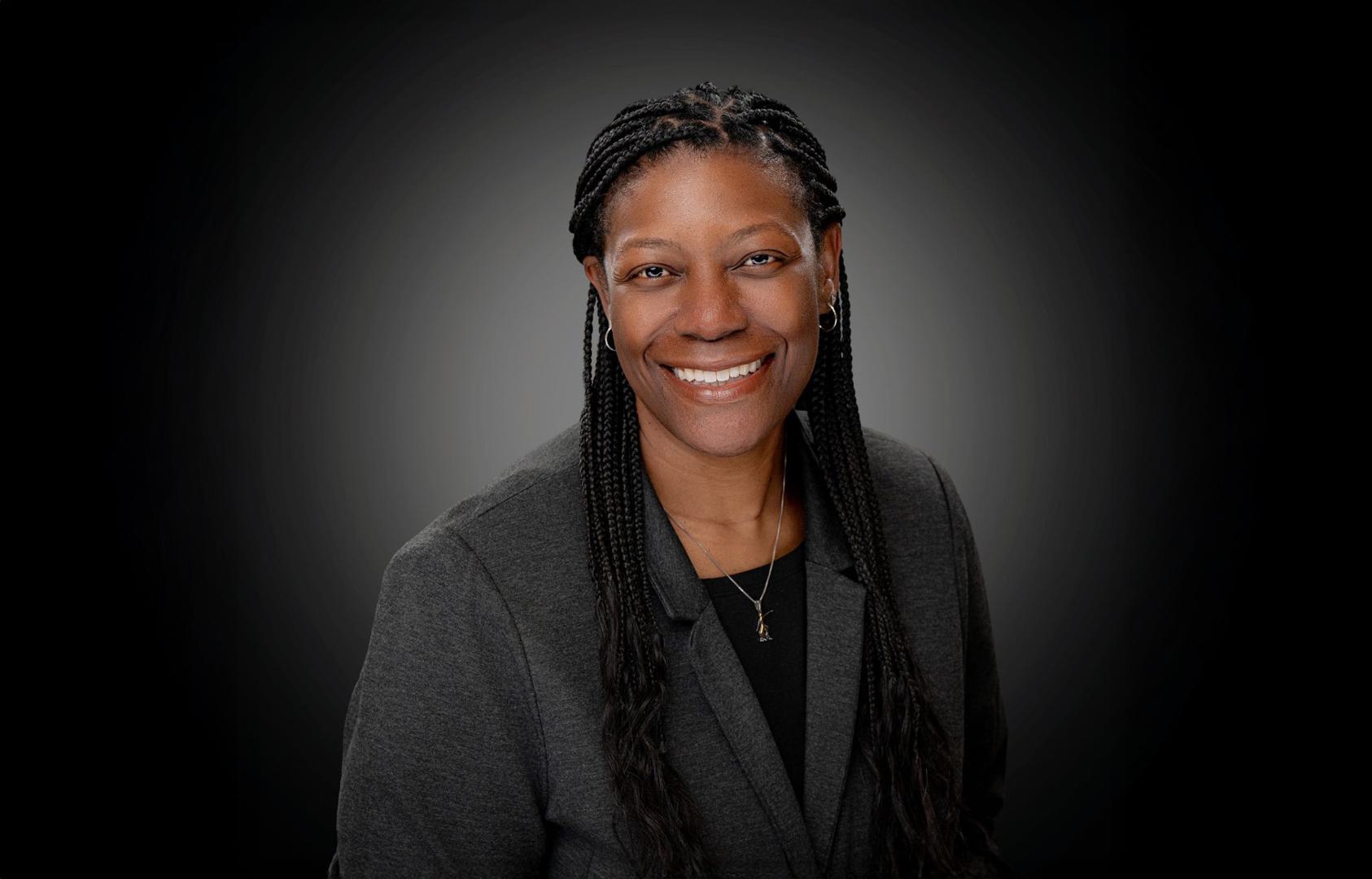
Shaneva McReynolds
President, FAMM
I lost my first husband to gun violence the day before Thanksgiving. Our daughter was two months old. I was trying to bring my husband his lunch, but I couldn’t get him to answer the phone. Later, I got a knock at the door. It was the police telling me he had been murdered.
At first, I wanted an eye for an eye. I wanted the person responsible for his death to pay for what they had done.
But, over the years, you grow through life and start to think about things differently. In my case, an epiphany came after my brother was murdered by three men who were trying to rob him. I sat in the courtroom and saw the men responsible. One of their girlfriends showed up to court with a new baby in her arms. I thought of my late husband and our daughter. Even though her boyfriend and the father of her children had committed the crime against my brother, loss is loss. Both of our families were destroyed. My brother wasn’t coming back. I listened to her plead for leniency in his sentencing and talk about how she needed him to help raise her children. The children were innocent. I realized that the family of that man needed him to be able to grow beyond his terrible mistake and become a better person to support them.
Our carceral system warehouses; it doesn’t rehabilitate. People go into the system already traumatized, and most of the time, they don’t come out better. When does the cycle stop?
Crime survivors are weaponized on both ends of the justice system: the courts feel like they are doing something for us with punitive sentencing, and lawmakers think we don’t want change. These decision-makers need to understand that crime survivors started in a place of pain and trauma, but just like everyone, we grow. And so, we believe in the human capacity for change and rehabilitation. People who commit crimes are human beings—and are able to grow and change like all of us.
We are not stuck in time. Everyone deserves a second chance.
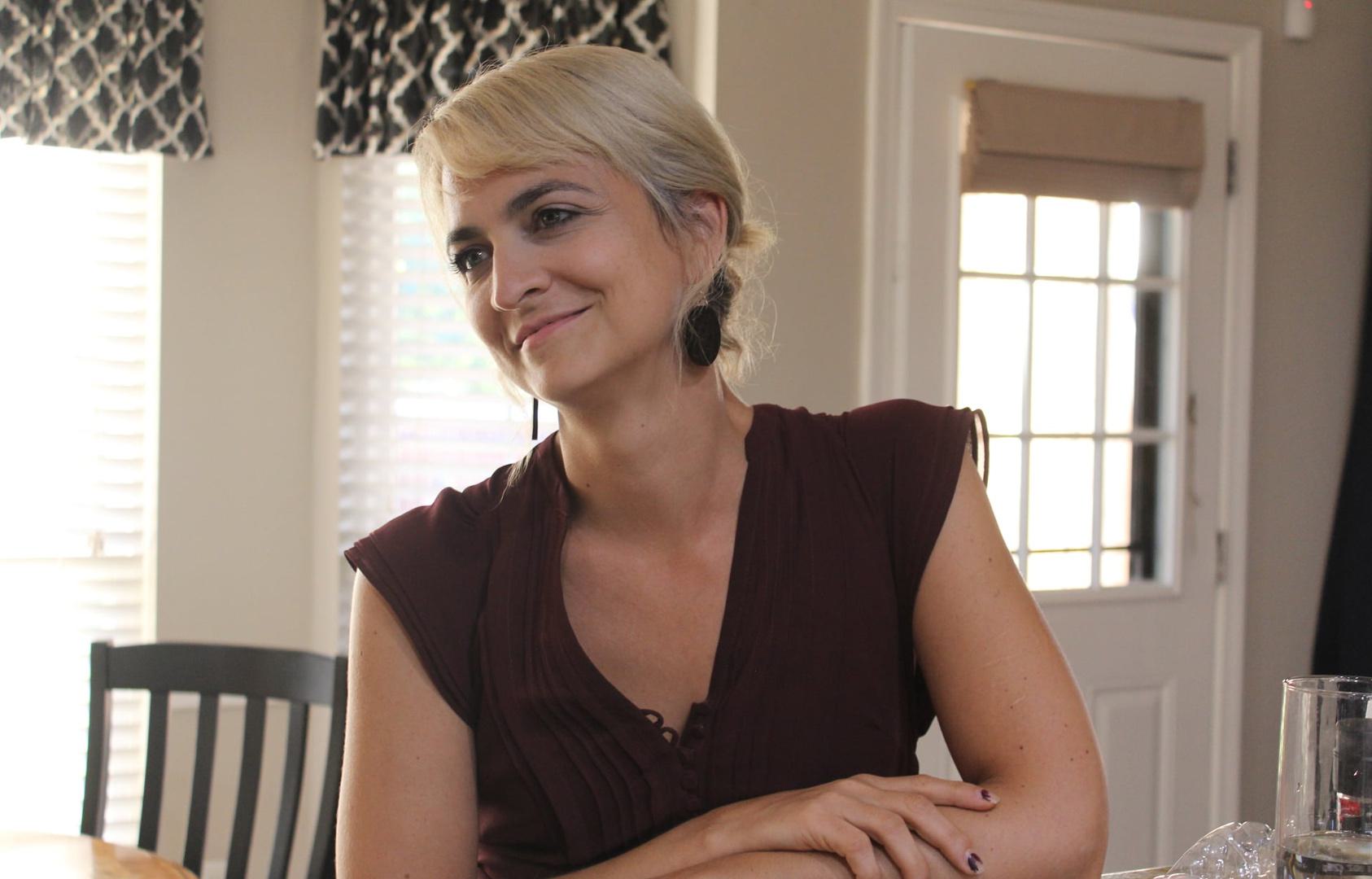
Melissa Lorraine
Co-Founding Artistic Director, Theatre Y
In 2017, I survived a violent crime. I got into a car that I believed was my Uber and was not released for four hours. It was devastating. I had been living under the impression that people were not like this.
Afterward, I had severe post-traumatic stress disorder. I was invited to Serbia to spend a month with some dance choreographer colleagues who offered to invent a sort of movement therapy for me, with the aim of bringing me back into my body. I spent a month with them and came back feeling almost guilty about the amount of care I had received.
Initially, I thought about offering movement therapy to other women. But that felt passive, almost like I was going to wait for harm to occur and then try to pick up the pieces. I knew that “hurt people hurt people.” I thought that, if I offered this therapy inside prisons, maybe I could participate in the healing process for men who would eventually return to their communities more whole.
I started offering movement therapy for trauma rehabilitation in Illinois prisons. For the first six months I worked inside, I didn’t talk about what had brought me into that space. I still carried a lot of shame about not having taken good enough care of myself in the world and being naive about people.
When I eventually did share my story, one man responded with rage—on behalf of his mother, sisters, and niece. I don’t think I had understood how much that validation would mean to my healing process. I wasn’t coming inside for that sort of confirmation of harm, but something about the way they viewed it, even more severely than I did, offered a moment of realignment with myself that became central to my healing.
After I was harmed, I felt like I didn’t understand people anymore. Over time, the proximity I was allowed to have with people in prison helped me gain a profound understanding of the circumstances that led them to do whatever it was they were incarcerated for. Some of them are totally innocent, but others were guilty and very willing to talk about it. They were transparent about the circumstances that precipitated their crime, and I felt like I was invited back into an understanding of people. I could reconcile myself with my fellow humans in a way that I wouldn’t have been afforded under the normal conditions of the justice system.
This is what I preached as I testified before legislators—that proximity is needed and that lengthy sentences leave all involved stranded at the moment the breach occurred. No one is allowed to heal or expand beyond that point. And while there are many of us who have found healing in ways that the justice system will not entertain or allow, it has been difficult to convince legislators of the need for alternatives. Crime survivors are stuck with banishment and separation, a solution that leaves them cemented in the harm without any chance to evolve or get a new story over time.
We have an opportunity to expand our moral imagination about justice and give a chance to people we have deemed unworthy of ever being in our midst. In Illinois, where there is no parole, thousands of people have effectively been sentenced to die in prison. Meanwhile, everyone I have ever brought into the prison had their understanding immediately transformed. It takes just one visit to see how wrong we are about incarcerated people and how much they deserve to return to their communities.
I feel a tremendous burden to communicate my testimony loudly enough to create pathways home for people who are serving time. In a way, my mission is very personal. My favorite people, I have found, are incarcerated. I hope one day to be able to enjoy their company somewhere other than prison.
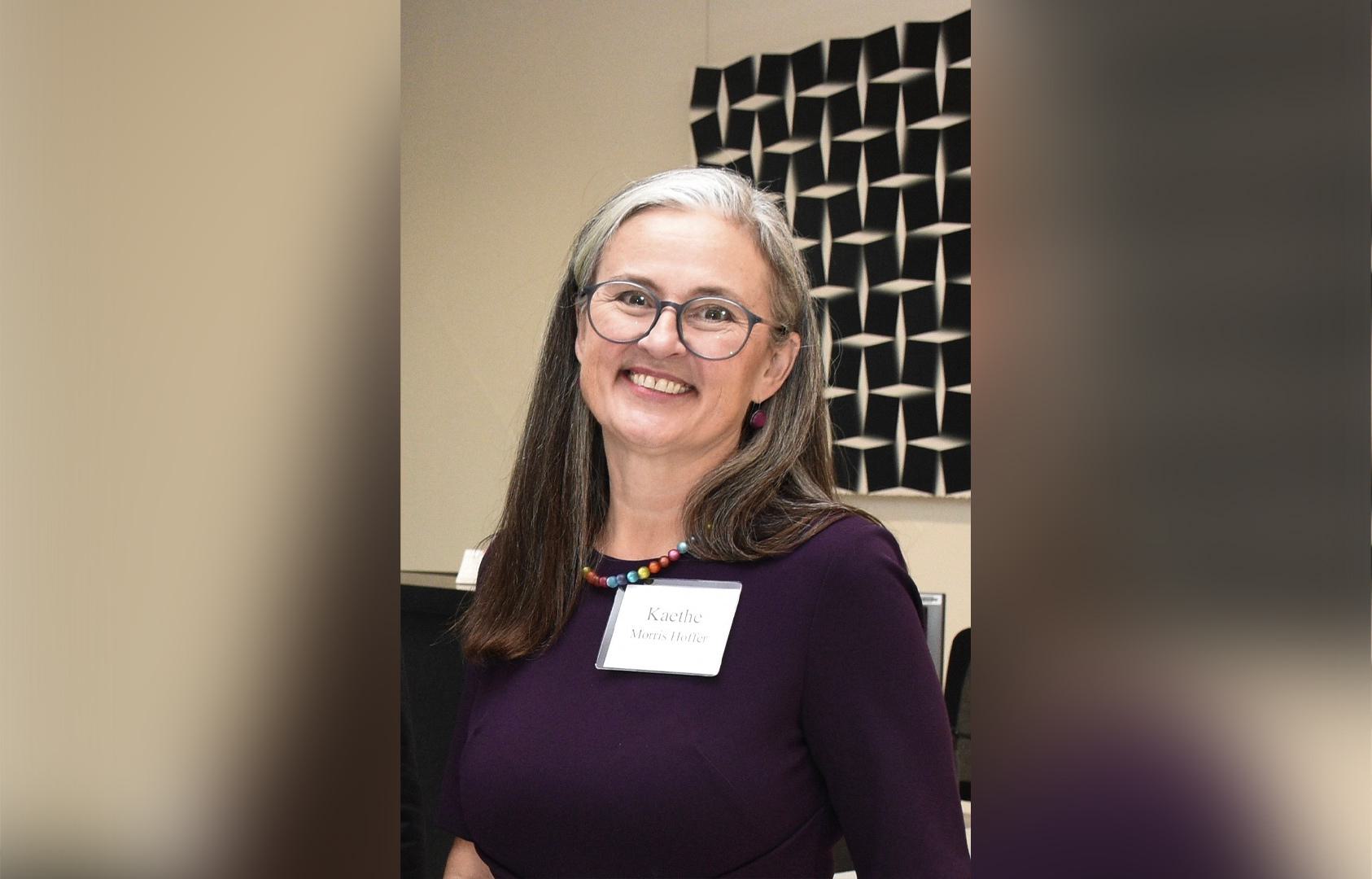
Kaethe Morris Hoffer
Executive Director, Chicago Alliance Against Sexual Exploitation
Survivors of sexual harm are often profoundly reluctant to engage with the criminal justice system. They reasonably fear outcomes that are traumatizing. In addition, the limited penalties that are available in circumstances of sexual harm are poorly calibrated to the desires and needs of survivors.
The vast majority of people who have experienced sexual violence were assaulted by people they know. The assaults happen in circumstances where the survivors, of their own volition, went into a space of vulnerability with the perpetrator, assuming that, if they said “no,” it would be respected.
There is an idea that rape is monstrous, and therefore, it takes a monster to do it. But when a person is assaulted, their response is often, “I don’t believe this, how could this be happening?” This is because they are experiencing a monstrous violation by somebody that they had concluded was not a monster.
When people are familiar with the humanity of the person who harmed them, they are not comfortable with extreme punishment. The most common sentiment I hear when speaking to sexual assault survivors about whether to report the crime is, “I don’t want to ruin his life.” I hear this from survivors of every age, race, and gender. While they are justifiably furious at those who hurt them and hungry for accountability, survivors know what it is to experience life-changing trauma. They mostly don’t want to become agents of harm.
The way the criminal justice system both underprosecutes and overpunishes is particularly burdensome for women of color, who experience a real conflict between their sense of loyalty to their community and a desire for accountability.
Most survivors say they want some sense that their efforts will prevent the person who harmed them from doing it again, and to have the monstrous harm that was done to them acknowledged as such. Paving the way for restorative justice practices as an option for survivors is one of the most critical things that society can and should do. There is an enormous need for more structures and systems that can promote restoration.
Survivors of crime are not a monolith. Every person comes with their own experience, their own story, their own understanding of what happens to them and how they can heal. It’s incredibly important that we shape our laws and systems based on the people who have experienced harm. I want people to understand that supporting survivors of crimes doesn’t have to come at the expense of criminal justice reform. It’s not one or the other. We can do both, and the best way to do that is by listening to survivors and understanding their stories.