
Back to School, Still Together: How Incarcerated Parents Can Stay Connected to Their Children
As the school year begins, one mother shares practical advice for maintaining strong relationships with children when families are separated by incarceration.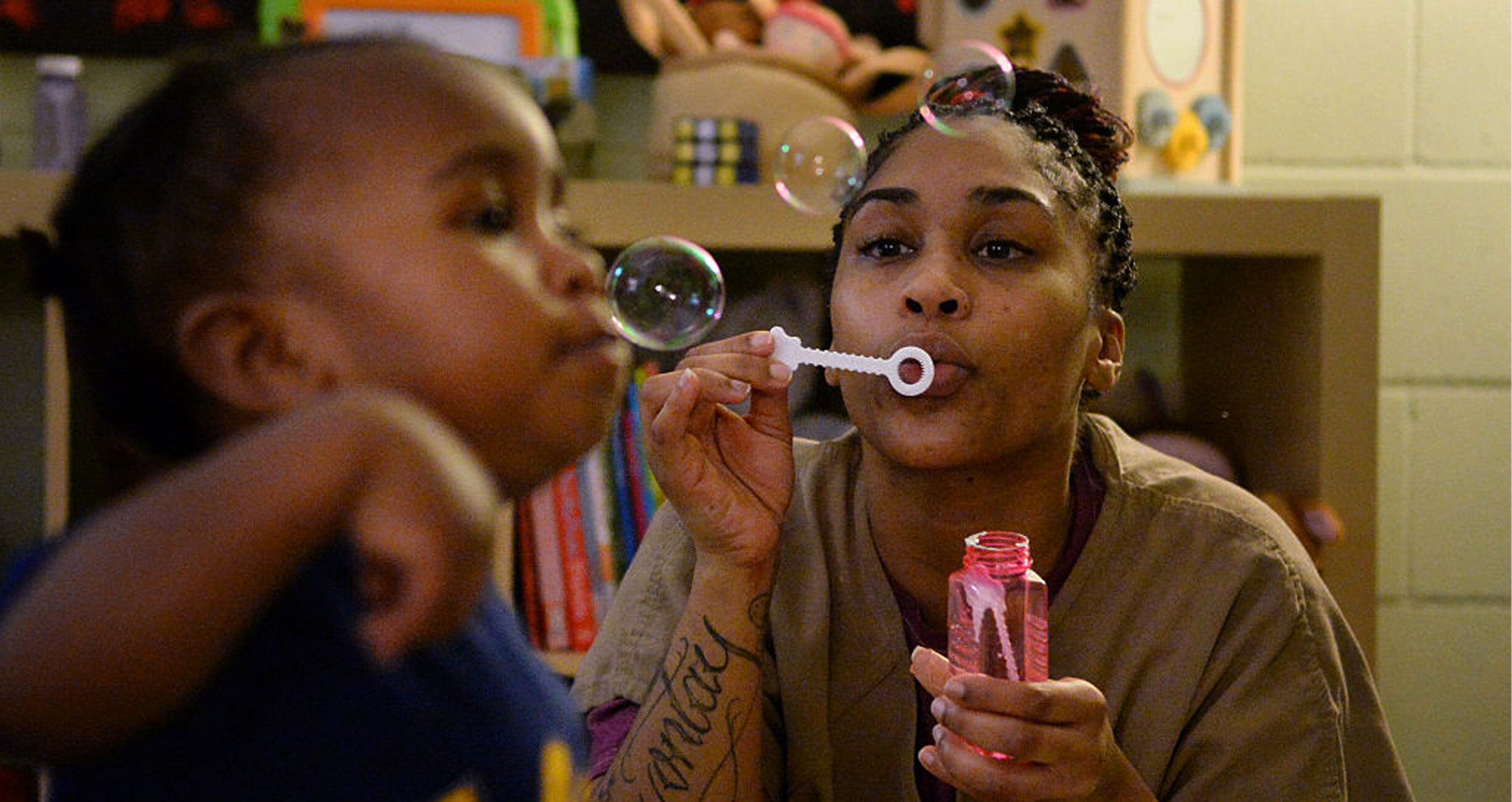
For parents, incarceration ultimately means family separation, and we find ourselves wishing we could make up for the countless missed moments with our children. The percentage of school-aged children in the United States who have experienced parental incarceration is 6 percent—about 4.2 million children. These children aren’t asking for a perfect parent; they don’t need us to make up for every mistake made. Our children will remember most that we chose to show up for the moments we still have. During my incarceration, I have focused on maintaining my relationship with my children and developed these tips for other parents and families working to stay connected.
Attend every in-person visit available to you involving your children. Be present with them. It’s easy to let emotions overcome us or to think about saying goodbye hours before “Time’s up” has been announced. But the moments you spend smiling and laughing with them, holding their hands, and kissing their heads will burn brighter than any fear we may have.
Keep a regular phone call schedule. Even short conversations create the consistency they need. My son says, without fail, on every single phone call, “Mom, can we hang up at 15 minutes?” Of course we can! Just give me the chance to ask about your day. Encourage conversations that excite them, like talking about their favorite superhero movie or their latest soccer game.
Use video visits whenever possible. When you get the chance to connect with your child onscreen, you can see their facial expressions. Cherish every moment of watching your child’s face look a little older every time you log on. It’s a perfect opportunity to see their room or their unfinished artwork, or even become envious while you watch them eat their home-cooked dinner.
Write letters or keep a journal dedicated to them. Memories can become blurry, but written words stay forever. Tell them how proud you are of their strength. Encourage them to be kind, compassionate, and tender.
Create arts and crafts items. Homemade coloring pages and yarn creations become something tangible that your child can see you put effort into. Minecraft characters are hard to figure out, but the patterns exist; trust me. Even small things like a bookmark with your picture on it or a dreamcatcher made of scraps tell them you’re thinking of them while creating.
Never miss a birthday or holiday if you can help it. Send birthday cards made specially for them with their age in big numbers on top and heartfelt words written inside. Draw pictures that represent how special holidays are to the family—and for your growing connection. Personally, we celebrated every birthday beautifully while also counting down to his big Number 10, because that’s the last birthday Mommy has to miss.
Stay involved in their school routines. Even from prison, you can still be part of your child’s school life. Help them plan for the upcoming school year by talking through what they need to get at the store and what theme they might be interested in (yes, Roblox or Minecraft lunchboxes are a big hit these days). Encourage them as they get ready for the new year. Once school begins, create a consistent time to check in about their classes and help with homework or questions. These small routines allow them to feel supported by you and closer as a family.
Read books together, whether it be reading to them on your weekly phone calls or devouring a chapter book as a team. You could both find the same book and read separately, then discuss once a week. Small children love picture books, so listening and watching their parent read to them is crucial. At Topeka Correctional Facility in Kansas, there is a literacy program called Bonding with Booksthat helps mothers improve their reading abilities by recording a storybook as a gift to their child once a year. This strengthens parent–child bonds across the distance.
Create a shared playlist. While incarcerated, you may be able to purchase a music player to download music. Ask your child for their favorite songs, download them, and let yourself feel the connection. Every time the song “Sunflower”by Post Malone and Swae Lee comes on, I’m thinking about my baby boy bopping around in his car seat six years ago. Talk about the music with your child and know that their own playlists at home are blaring the same meaningful sounds.
Give your child a job in your life. Ask them to recommend a book you can find in the library, suggest what to draw next, find a quote to inspire your week, or choose a scripture verse to memorize while practicing together. A child feels needed and secure when they are contributing to the relationship.
Encourage family traditions. Ending the phone call every time in the same way has bonded my son and me throughout the years. He knows when Mommy says, “Give me hugs and kisses,” he must make a smooching sound into the phone. Our little tradition has carried us further than you’d think. Having a special catchphrase, a handshake, or maybe a “dad joke” at the ready can impact our children’s feelings of safety and consistency more than we realize.
If there’s one thing I hope you take away from this, it’s to give yourself permission to stop trying to be the perfect parent and start focusing on being a present one. Every phone call, letter, visit, drawing, and small act of love tells your child the same thing: that you’re still here, staying connected to them in every way you can. You can’t change the distance, but you can remain an active, loving presence in your child’s life despite it.
Krystal Lowe spent summer 2026 as an editorial intern at the Vera Institute of Justice and is also an intern with the American Institutes for Research through the Alliance for Higher Education in Prison. She was featured by the Marshall Project for sharing her perspective on maintaining mother–child bonds during incarceration. She is pursuing a BSW at Washburn University while currently incarcerated in the Kansas Department of Corrections. Krystal writes about incarceration, drawing on both her lived experience and her hope-centered perspective.
Vera believes in using our platforms to elevate diverse voices and opinions, including those of people currently and formerly incarcerated. Other than Vera employees, contributors speak for themselves. Vera has not independently verified the statements made in this post.